
My Design Process
My Design Process
My process has evolved over time, starting with the 5 D's approach, to something more fit for our current tools and agile workflows.

User-Centric Design At Its Core.
Discover
The most important step in any solution. I gather information about the problem and the environment it is in: user needs, market conditions, competitor analysis, and business constraints. I utilize user interviews, surveys, market research, feedback systems, and competitive analysis to help shape my vision of where we are and where we should aim to be.
I also love to utilize AI to ask me questions about the project so I can clarify the scope, use cases, user type, and design preferences based on my current research. This feedback loop with Claude creates a kind of structured Q&A that helps shape the product and allows for quick self-testing to see where my weakest points may be in understanding the project at hand.
My objective at this point is not to solve, but to understand the full situation so that I may product the right problem to solve.
Define
After discovery, I begin to synthesize everything I've learned into a clear, actionable problem statement. Sometimes this comes in the form of a "How might we...?" question, user personas, journey maps, or just whiteboard sessions with the team.
Utilizing all information and required constraints, like a design system or features, and having AI ingest all the information helps conceptualize quick iterations of the solutions and continue to branch until we find some that are in the right direction. Making use of live prototypes and real-world mockups to help see something in real code and how the product might react to real user input before having developers spend time on an early build.
This phase helps me narrow down an overwhelming amount of research into a focused direction the team can align around.
Define
After discovery, I begin to synthesize everything I've learned into a clear, actionable problem statement. Sometimes this comes in the form of a "How might we...?" question, user personas, journey maps, or just whiteboard sessions with the team.
This phase helps me narrow down an overwhelming amount of research into a focused direction the team can align around.
Design
This is where my solutions take shape. I start with sketches, wireframes, or low-fidelity storyboards and iterate quickly and objectively. This is where information architecture and design systems start to inject themselves into the canvas. Once one or more concepts are solidified by the research and problem statement, high-fidelity mockups and prototypes are created for user testing and stakeholder buy-in.
After testing and iterating, I then will design towards the final solution with development and product to move the current solutions to a final build. Feedback loops fuel the process to decide on the solution and build the code with the developer.
Testing is critical in today's tech space. Our solutions should always be pivoting based on the users themselves.
Develop
This is where the ideas become a reality, turning designs into a working product. This involves delivering assets, utilizing developer involvement as soon as possible to check with feasibility, identify any issues that would need to be addressed, and confirming alignment objectives with the team.
AI or Figma prototypes really help show the end-goal for the project so that less is lost in translation between parties. Over-documentation or detail explanation is helpful in specs, not in conversation, where focused solution quick loops prove to be most viable.
This phase often requires rigorous testing/QA/debugging along the way. Design and engineering looping back and forth to ensure the best solution.
Deliver
The finished solution is delivered to users, published, or launched to market. This includes rollout planning, monitoring performance post-launch, and gathering feedback for the next iteration.
The 5th step is only the beginning of a new cycle.

User-Centric Design At Its Core.
Discover
The most important step in any solution. I gather information about the problem and the environment it is in: user needs, market conditions, competitor analysis, and business constraints. I utilize user interviews, surveys, market research, feedback systems, and competitive analysis to help shape my vision of where we are and where we should aim to be.
I also love to utilize AI to ask me questions about the project so I can clarify the scope, use cases, user type, and design preferences based on my current research. This feedback loop with Claude creates a kind of structured Q&A that helps shape the product and allows for quick self-testing to see where my weakest points may be in understanding the project at hand.
My objective at this point is not to solve, but to understand the full situation so that I may product the right problem to solve.
Define
After discovery, I begin to synthesize everything I've learned into a clear, actionable problem statement. Sometimes this comes in the form of a "How might we...?" question, user personas, journey maps, or just whiteboard sessions with the team.
Utilizing all information and required constraints, like a design system or features, and having AI ingest all the information helps conceptualize quick iterations of the solutions and continue to branch until we find some that are in the right direction. Making use of live prototypes and real-world mockups to help see something in real code and how the product might react to real user input before having developers spend time on an early build.
This phase helps me narrow down an overwhelming amount of research into a focused direction the team can align around.
Define
After discovery, I begin to synthesize everything I've learned into a clear, actionable problem statement. Sometimes this comes in the form of a "How might we...?" question, user personas, journey maps, or just whiteboard sessions with the team.
This phase helps me narrow down an overwhelming amount of research into a focused direction the team can align around.
Design
This is where my solutions take shape. I start with sketches, wireframes, or low-fidelity storyboards and iterate quickly and objectively. This is where information architecture and design systems start to inject themselves into the canvas. Once one or more concepts are solidified by the research and problem statement, high-fidelity mockups and prototypes are created for user testing and stakeholder buy-in.
After testing and iterating, I then will design towards the final solution with development and product to move the current solutions to a final build. Feedback loops fuel the process to decide on the solution and build the code with the developer.
Testing is critical in today's tech space. Our solutions should always be pivoting based on the users themselves.
Develop
This is where the ideas become a reality, turning designs into a working product. This involves delivering assets, utilizing developer involvement as soon as possible to check with feasibility, identify any issues that would need to be addressed, and confirming alignment objectives with the team.
AI or Figma prototypes really help show the end-goal for the project so that less is lost in translation between parties. Over-documentation or detail explanation is helpful in specs, not in conversation, where focused solution quick loops prove to be most viable.
This phase often requires rigorous testing/QA/debugging along the way. Design and engineering looping back and forth to ensure the best solution.
Deliver
The finished solution is delivered to users, published, or launched to market. This includes rollout planning, monitoring performance post-launch, and gathering feedback for the next iteration.
The 5th step is only the beginning of a new cycle.
Design Leadership Focused on Development
When mentoring a team of designers, I like to focus on individual strengths, interests for areas of improvement, and offering opportunities to challenge their current experience to promote efficiency, teamwork, and encourage structural growth. Leveraging where your team currently stands to promote an environment of learning and collaboration is key to helping create opportunities for each individual.
Planning
Utilizing Individual Development Plans, SMART Goals, and bi-weekly One on Ones to outline personal objectives and plan out weekly meetings to produce optimal opportunity for improvement.
Individual Alignment
Constant communication and updates to weekly, quarterly and yearly goals with members helps ensure alignment across each member and team alignment with each other. Daily or every other day stand-ups with the team also helps keep everyone on the same page so chaos and uncertainty won't take over.
Positive Environment
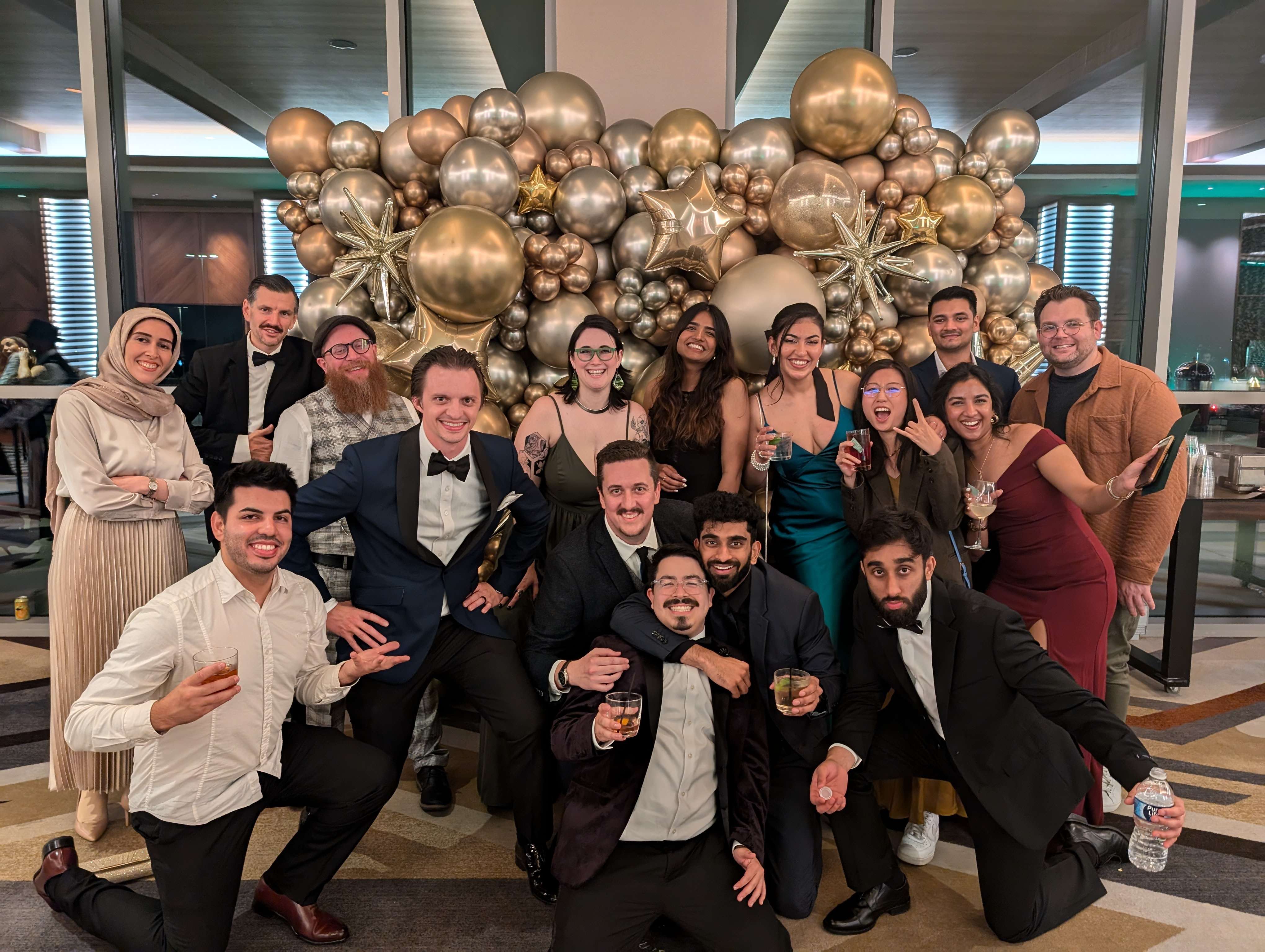
Building an ecosystem of collaboration and personal growth requires taking the time to celebrate individual wins, recognize team contribution, and foster relationships of empathy and support with your teammates.
Success Measured
2+
Years Managing
5
Team Promotions
100%
Investment